+261-34-938-0307 | +261-32-577-8373

Child Labor in Madagascar: Poverty, Climate Crisis, and the Struggle to Protect Children
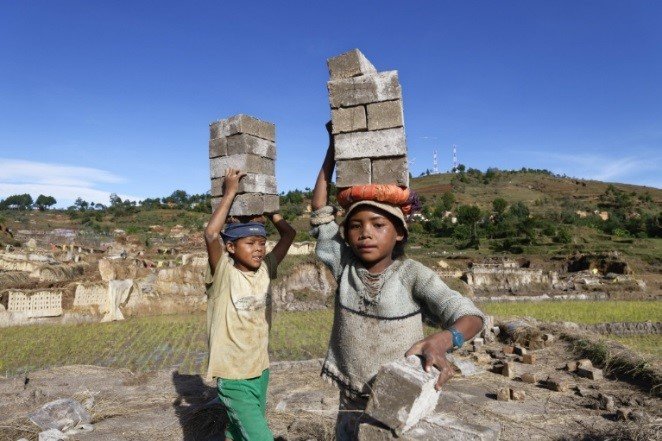
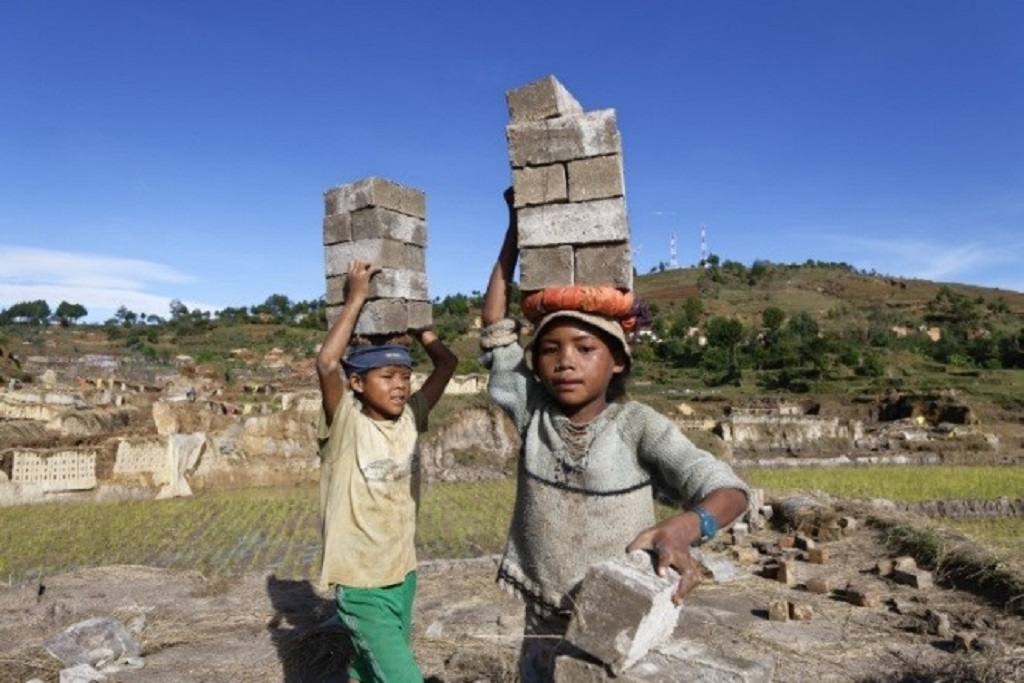
Child labor remains one of the most persistent and complex challenges facing Madagascar today. Despite national laws and international commitments to protect children’s rights, many boys and girls across the country continue to work in conditions that threaten their health, education, and future. The issue is deeply rooted in structural poverty, repeated climate shocks, and limited access to essential services, particularly in rural and marginalized communities.

A Widespread but Often Invisible Problem

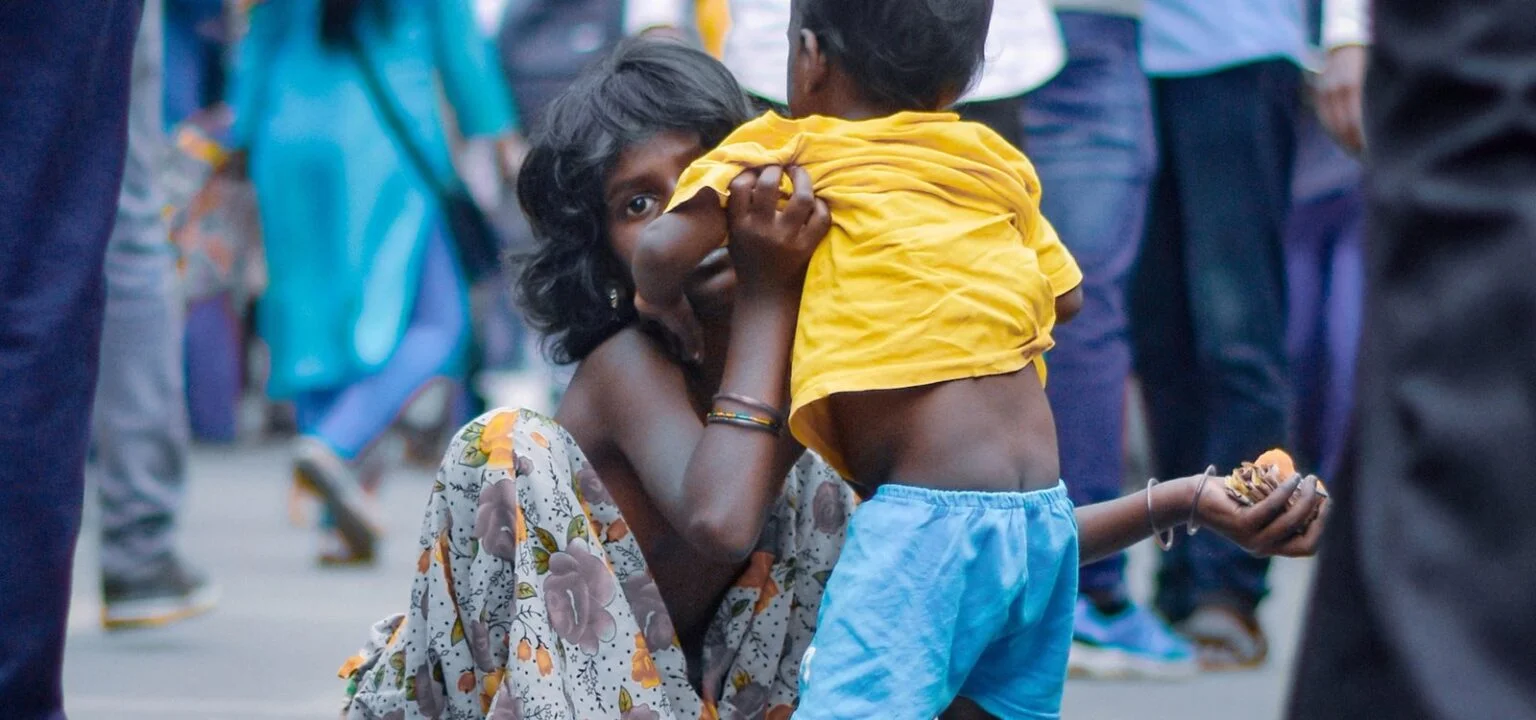
Madagascar is among the world’s poorest countries, with a large proportion of the population relying on subsistence agriculture or informal work. In this context, child labor is often normalized as a survival strategy rather than recognized as a violation of children’s rights.
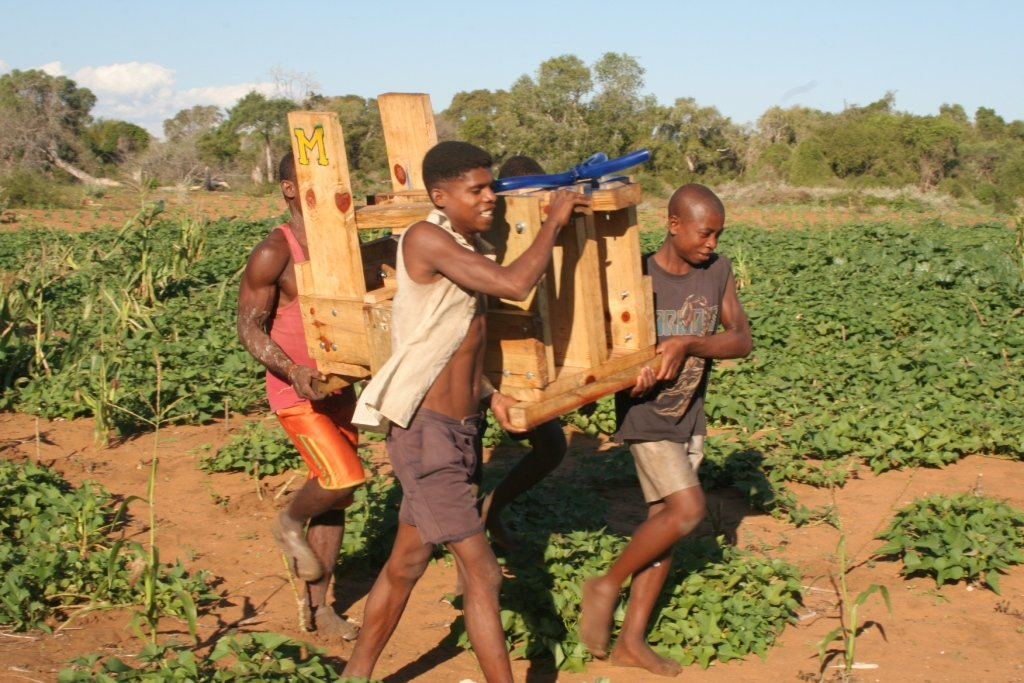
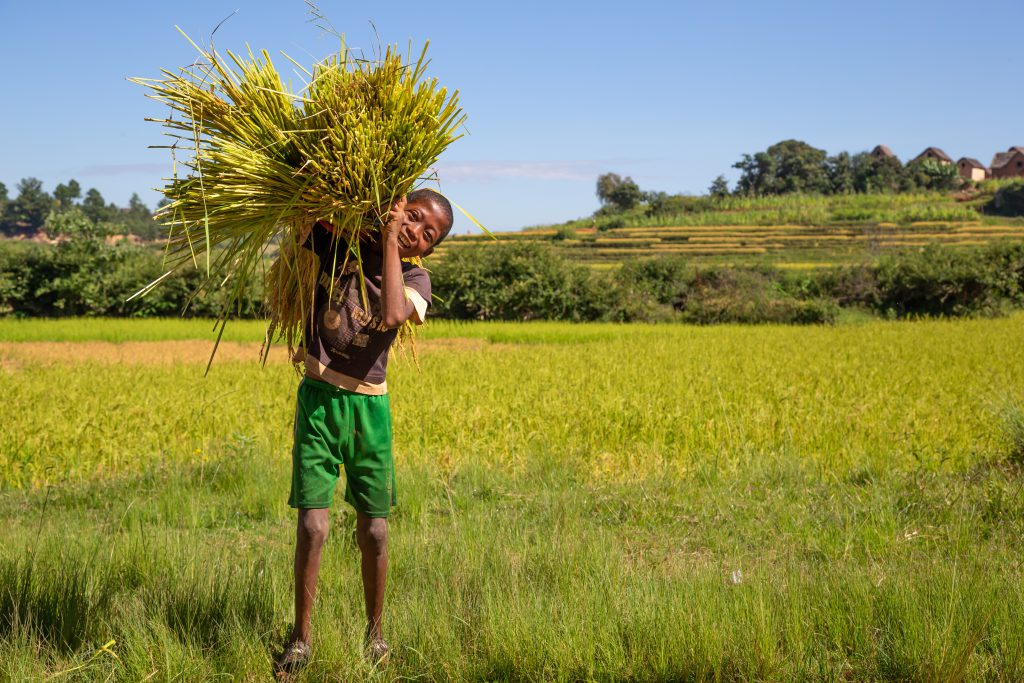
Children are involved in a wide range of labor activities, including:
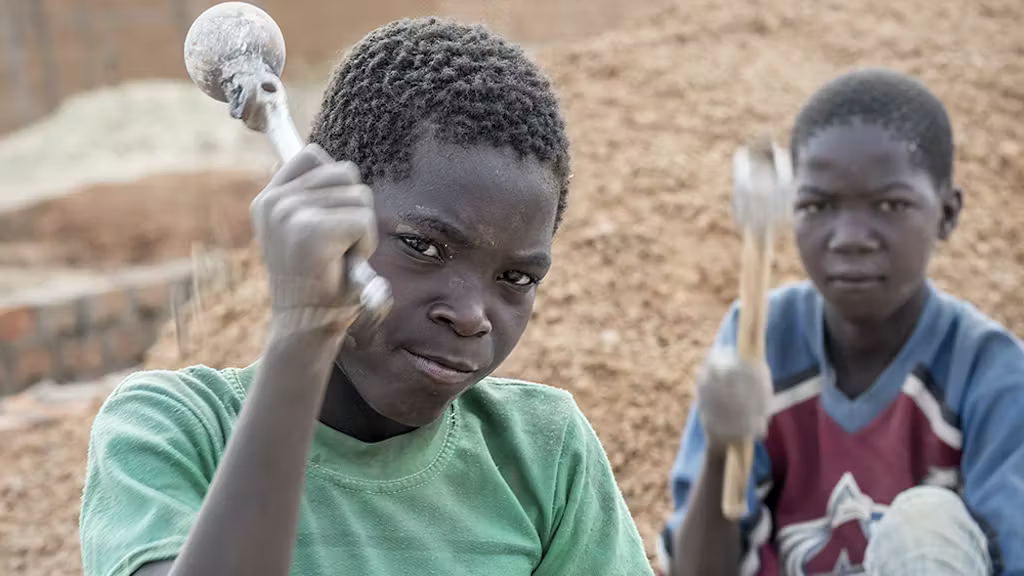
Many of these forms of work expose children to long hours, heavy loads, sharp tools, dust, and dangerous substances. In mining areas, children may work underground or handle minerals without protective equipment. In domestic labor, abuse and exploitation often go unreported due to the hidden nature of the work.

The Role of Poverty and Climate Shocks

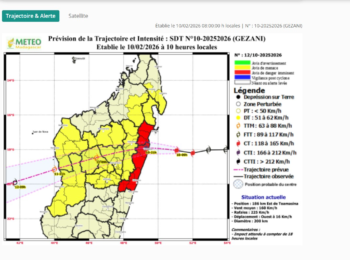
Poverty is the primary driver of child labor in Madagascar. Families facing food insecurity and unstable incomes often depend on children to contribute economically or help secure basic survival. This situation has been worsened by recurrent droughts in the south, destructive cyclones in coastal regions, and unpredictable rainfall linked to climate change. When crops fail or livestock are lost, families may withdraw children from school to reduce costs or increase household labor capacity. In many communities, child labor increases sharply during periods of crisis, including food shortages or health emergencies. Without social protection systems strong enough to absorb these shocks, families are left with few alternatives.
By working closely with parents, teachers, and local leaders, we aim to create environments where children are protected and families are supported to choose education over child labor.

Education: A Critical Barrier and a Critical Solution

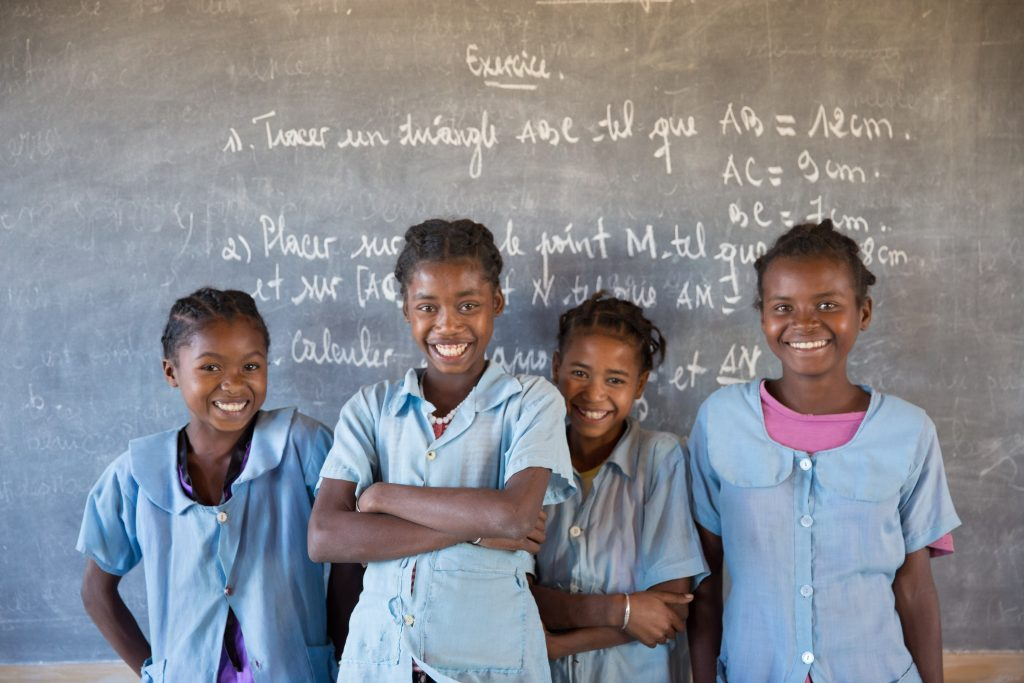
Education is one of the most effective tools for preventing child labor, yet access to quality schooling remains uneven across Madagascar. While primary education is officially compulsory, many families struggle with:
As children fall behind academically or miss school due to work, the likelihood of permanent dropout increases. Once a child leaves the education system, returning becomes increasingly difficult. Girls face additional challenges. They are often expected to take on household chores, care for younger siblings, or work as domestic helpers, putting them at higher risk of early school dropout and exploitation.

Legal Framework and Gaps in Protection

Madagascar has laws prohibiting child labor and has ratified international conventions aimed at protecting children from exploitation. However, enforcement remains weak, particularly in remote areas where labor inspections are rare and informal work dominates the economy. Birth registration gaps further complicate child protection efforts, as children without official documentation are more vulnerable to exploitation and less likely to access education and social services. Community awareness of child labor laws and children’s rights also remains limited, allowing harmful practices to continue unchecked.

Long-Term Consequences for Children and Society

The impact of child labor extends far beyond childhood. Children who work instead of attending school are more likely to remain trapped in low-paying, insecure jobs as adults. This perpetuates intergenerational poverty and limits national development. Health consequences, including injuries, chronic pain, respiratory problems, and psychological stress, can last a lifetime. For children exposed to hazardous labor, the risks are particularly severe.

Our Response: Addressing Causes, Not Just Symptoms

Our charity works in partnership with local communities to address both the immediate and underlying causes of child labor in Madagascar. Our approach focuses on:
By working closely with parents, teachers, and local leaders, we aim to create environments where children are protected and families are supported to choose education over child labor.

A Call for Collective Action

Ending child labor in Madagascar will require sustained commitment—from government institutions, civil society, donors, and communities themselves. It is not enough to remove children from work; families must be given viable alternatives and children must have access to safe, quality education. Child labor is not inevitable. With coordinated action and long-term investment, it is possible to protect children, strengthen families, and ensure that the next generation grows up with dignity, opportunity, and hope.

What a joy it is to introduce

You May Also Like

Our Urgent Cause

Campaign to provide food to the poor

Charity Donor Mercy Ministries In the heart of Toamasina, Madagascar’s gateway to the Indian Ocean, thousands of families wake each...

0%
Goal: $ 5,500.0 Raise: $ 0.0